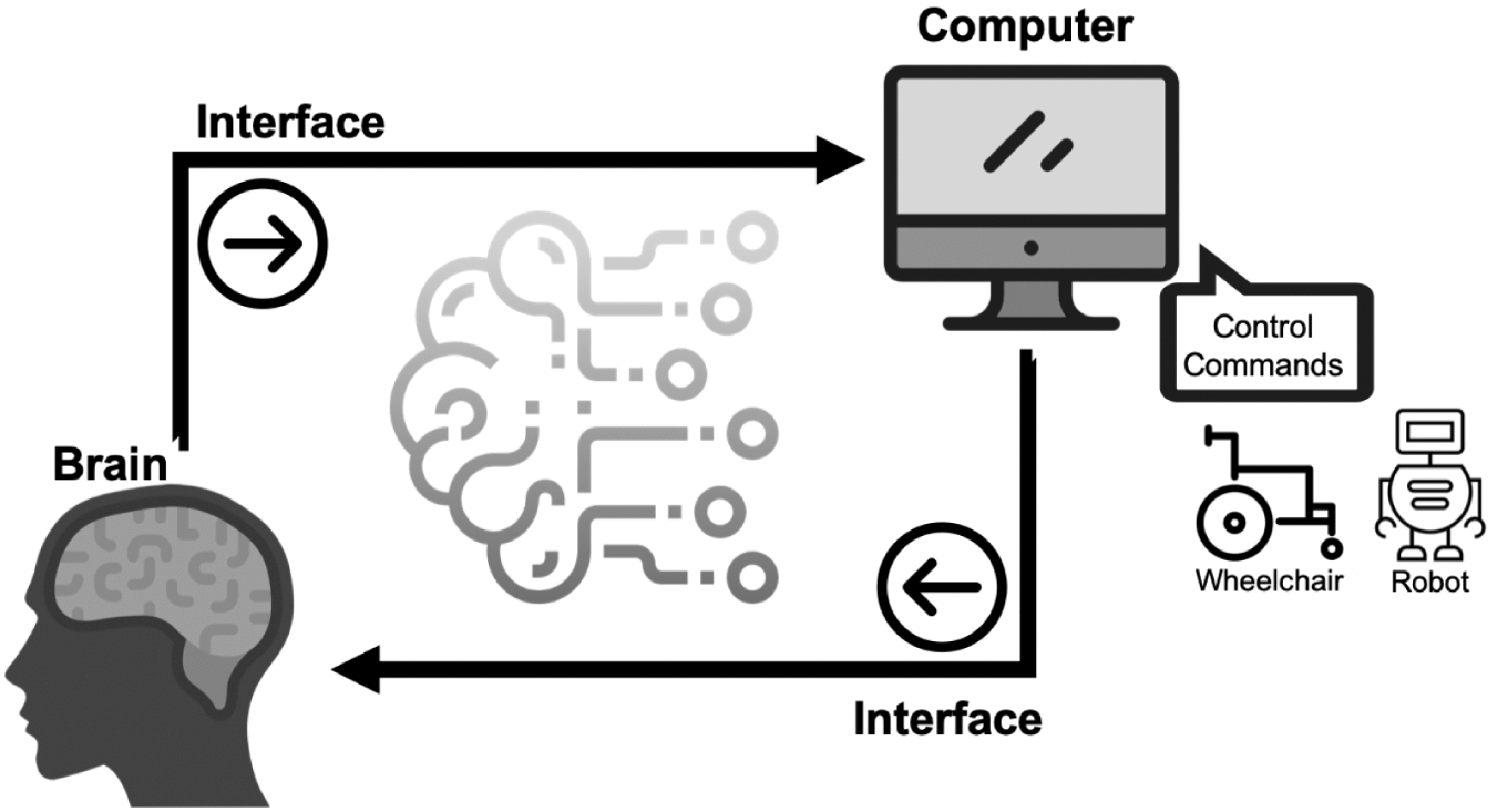
The BCI Industry
in 2025
A global market map exploring the commercial transformation of brain-computer interfaces
Executive Summary
As of late 2025, the global brain-computer interface (BCI) industry stands at a pivotal juncture, transitioning from a niche field of academic research into a burgeoning commercial market with tangible applications across healthcare, consumer technology, and defense. This transformation is fueled by significant advancements in neurotechnology, artificial intelligence (AI), and machine learning, which have collectively enhanced the accuracy, reliability, and accessibility of BCI systems.
Key Market Indicators
The year 2025 is widely regarded as a breakout year, marking a clear inflection point where commercial revenue streams have begun to overtake research-driven funding, signaling the industry's maturation and readiness for mainstream adoption in key sectors. This shift is underscored by landmark regulatory approvals, the initiation of large-scale clinical trials for invasive implants, and the entry of major technology corporations into the ecosystem.
Market Size & Growth Trajectory
Current Market Valuation (2024-2025)
The valuation of the global brain-computer interface market in 2024 and 2025 reflects a period of accelerated growth and commercialization. In 2024, the market was valued at approximately USD 2.09 billion, while other sources placed it higher at USD 2.93 billion.
2024 Revenue Composition
By mid-2025, the market had expanded to USD 3.41 billion, representing a 16.4% increase from 2024, driven by USD 290 million from medical devices and USD 190 million from consumer applications.
Projected Growth & CAGR
The long-term growth outlook for the brain-computer interface market is exceptionally positive, with multiple market research firms forecasting sustained high growth through 2035.
Key Industry Shifts by 2025
Research to Commercial
Companies like Neuralink, Synchron, and Paradromics have received FDA approval for human trials, marking the transition from laboratory research to commercial development.
Invasive vs Non-Invasive
Non-invasive solutions dominate with 60.7% market share, while invasive technologies push boundaries for severe medical conditions.
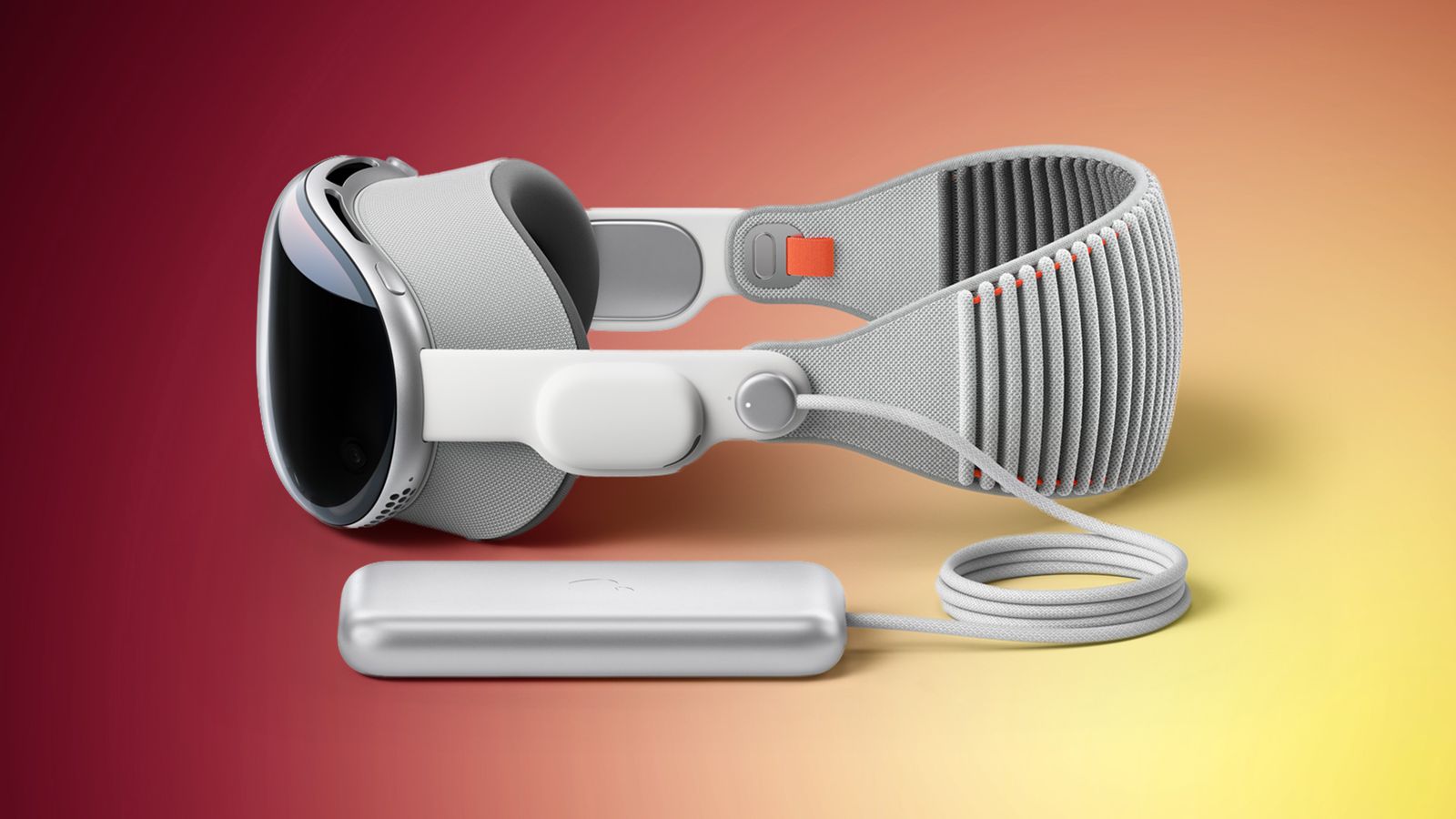
The Apple Effect
Apple's partnership with Synchron and development of BCI HID protocol promises to mainstream consumer BCI adoption.
The Apple-Synchron Partnership Impact
Apple's strategic partnership with Synchron represents a paradigm shift, integrating the Stentrode implant with Apple's ecosystem and developing the BCI Human Interface Device profile to recognize neural interfaces as native input methods.
Where the Money is Being Made
Healthcare: The Dominant Revenue Driver
The healthcare segment accounted for 59.10% of market revenue in 2024, driven by neurorehabilitation, assistive communication for ALS, and next-generation prosthetics.
Neurorehabilitation & Assistive Tech
BCI-controlled prosthetics, exoskeletons, and communication systems for paralysis and stroke recovery.
ALS Communication Systems
Brown University developed BCI that translates brain signals to speech with 97% accuracy.
Next-Gen Prosthetics
Thought-controlled robotic limbs with multiple degrees of freedom and precision movements.
Consumer Tech: Fastest-Growing Segment
Consumer applications grew from 22% in 2024 to 25% in 2025, driven by gaming, VR/AR, and wellness wearables.
Gaming & VR/AR
Thought-controlled gaming experiences and immersive virtual reality applications.
Wellness Wearables
Devices like Cove for stress reduction and sleep improvement.
DTC EEG Headsets
Consumer-grade headsets priced $800-$2,500 for gaming and meditation.
Defense & Military (14% share)
- • UAV and drone control systems
- • Secure telepathic communication
- • Cognitive enhancement and monitoring
- • Soldier performance optimization
Research & Enterprise
- • Neuroscience research platforms
- • Enterprise training and focus monitoring
- • Pharmaceutical research applications
- • Academic and clinical studies
Global Competitive Landscape
BCI Industry Ecosystem Map
Invasive BCI"] B --> B2["Synchron
Endovascular"] B --> B3["Paradromics
High-data-rate"] B --> B4["Emotiv
Non-invasive EEG"] B --> B5["Kernel
fNIRS Technology"] B --> B6["Apple
Consumer Integration"] C --> C1["Neuracle
NEO System"] C --> C2["BrainCo
Educational BCI"] C --> C3["Government
Support"] D --> D1["g.tec
Medical Engineering"] D --> D2["MindMaze
Neurorehabilitation"] D --> D3["NextMind
Consumer BCI"] style A fill:#1e293b,stroke:#ffffff,stroke-width:3px,color:#ffffff,font-weight:bold,font-size:16px style B fill:#ef4444,stroke:#ffffff,stroke-width:2px,color:#ffffff,font-weight:bold style C fill:#f59e0b,stroke:#ffffff,stroke-width:2px,color:#ffffff,font-weight:bold style D fill:#10b981,stroke:#ffffff,stroke-width:2px,color:#ffffff,font-weight:bold style B1 fill:#ffffff,stroke:#ef4444,stroke-width:2px,color:#1f2937 style B2 fill:#ffffff,stroke:#ef4444,stroke-width:2px,color:#1f2937 style B3 fill:#ffffff,stroke:#ef4444,stroke-width:2px,color:#1f2937 style B4 fill:#ffffff,stroke:#ef4444,stroke-width:2px,color:#1f2937 style B5 fill:#ffffff,stroke:#ef4444,stroke-width:2px,color:#1f2937 style B6 fill:#8b5cf6,stroke:#ffffff,stroke-width:3px,color:#ffffff,font-weight:bold style C1 fill:#ffffff,stroke:#f59e0b,stroke-width:2px,color:#1f2937 style C2 fill:#ffffff,stroke:#f59e0b,stroke-width:2px,color:#1f2937 style C3 fill:#ffffff,stroke:#f59e0b,stroke-width:2px,color:#1f2937 style D1 fill:#ffffff,stroke:#10b981,stroke-width:2px,color:#1f2937 style D2 fill:#ffffff,stroke:#10b981,stroke-width:2px,color:#1f2937 style D3 fill:#ffffff,stroke:#10b981,stroke-width:2px,color:#1f2937
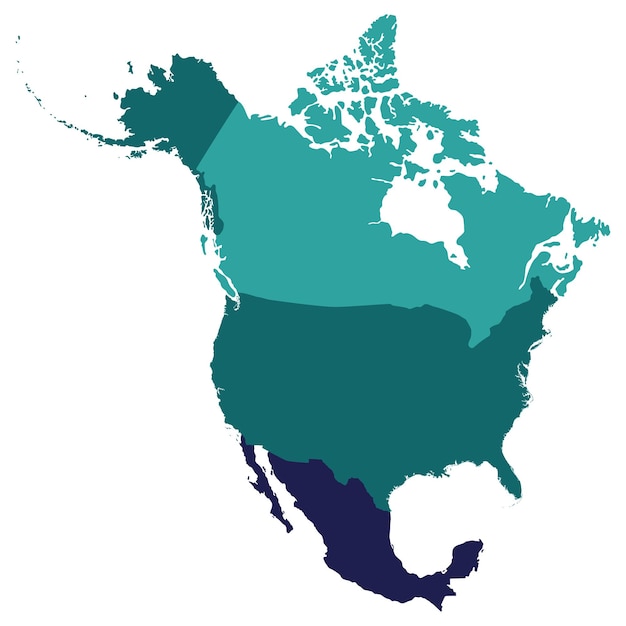
North America
Current Innovation Epicenter
Leading Invasive Companies
Non-Invasive Leaders
- • Emotiv - EEG headsets
- • Kernel - fNIRS technology
- • Cognixion - AR integration

China
Strategic Emerging Power
Government Strategy
"New Generation AI Development Plan" aims for world leadership by 2030.
Key Companies
- • Neuracle - NEO implantable system
- • BrainCo - Educational applications
- • MusiCo - Music therapy BCI

Europe
Niche Technology Focus
Specialization Areas
- • Non-invasive technologies
- • Research-grade systems
- • Healthcare applications
Key Players
- • g.tec - Medical engineering
- • MindMaze - Neurorehabilitation
- • NextMind - Consumer BCI
Apple's Disruptive Entry
Apple's partnership with Synchron and development of the BCI Human Interface Device protocol represent a paradigm shift for consumer BCI adoption.
Technology Deep Dive
Invasive BCIs
Advantages
- • High-fidelity neural signals
- • Individual neuron recording
- • Precise motor control
- • Speech decoding capabilities
Risks & Challenges
- • Surgical complications
- • Infection risk
- • Long-term tissue damage
- • Signal degradation over time
Leading Technologies
Non-Invasive BCIs
Advantages
- • No surgery required
- • Safe and accessible
- • Lower cost
- • Mass market potential
Limitations
- • Lower signal quality
- • Skull attenuation
- • Limited precision
- • Noise susceptibility
Key Technologies
- • EEG - Most common modality
- • fNIRS - Blood oxygenation
- • MEG - High precision (research)
Technology Comparison Matrix
| Technology | Signal Quality | Safety | Cost | Applications |
|---|---|---|---|---|
| Invasive | Excellent | High Risk | $$$ | Medical (severe) |
| Non-Invasive EEG | Moderate | Very Safe | $ | Consumer, Wellness |
| Partially Invasive | Good | Moderate | $$ | Medical (moderate) |
Market Segmentation & Future Outlook
By Technology Type
By Revenue Type
By End-User
Growth Projections Through 2035
Key Barriers to Adoption
Technological Hurdles
- • Low signal quality in non-invasive systems
- • Long-term stability of invasive implants
- • Power consumption and battery life
- • Signal processing algorithm limitations
- • Real-time processing requirements
Regulatory & Ethical
- • Complex FDA approval processes
- • Data privacy and security concerns
- • Ethical implications of cognitive enhancement
- • Liability and malpractice issues
- • International regulatory harmonization
Scalability & Cost
- • High manufacturing costs
- • Limited production scalability
- • Insurance reimbursement challenges
- • Healthcare provider adoption barriers
- • Patient affordability concerns
Overcoming Barriers: Industry Strategies
Technology Advancement
- • AI-driven signal processing improvements
- • Advanced materials for biocompatibility
- • Miniaturization and power optimization
- • Standardized development platforms
Market Development
- • Strategic partnerships and ecosystems
- • Gradual regulatory pathway navigation
- • Cost reduction through scale economies
- • Education and awareness programs